

При планировании строительства холодильного склада важно сначала понять различные доступные типы; выбор правильного типа обеспечивает более высокую эффективность и лучшие результаты. Холодильные склады классифицируются ниже по диапазону температур, назначению, хранимым продуктам, сценариям использования и конструктивному исполнению, чтобы помочь вам выбрать наиболее подходящий вариант для ваших потребностей.
I. Классификация по диапазону температур
1. Холодильный склад высокой температуры (склад для сохранения свежести)
|
Температура |
от 0°C до +8°C |
|
Функция |
Сохранение свежести, замедление созревания фруктов и овощей, краткосрочное хранение мяса |
|
Подходит для |
Овощи, фрукты, яйца, цветы, чай, соевые продукты, деликатесы, напитки |
|
Особенности |
Высокая влажность, отсутствие заморозки, сохранение свежести |
2. Холодильный склад средней температуры (охлаждаемое хранение)
|
Температура |
от -10°C до -18°C |
|
Функция |
Длительное охлаждение, подавление роста бактерий, краткосрочное хранение в замороженном виде |
|
Подходит для |
Свинина, говядина, баранина, морепродукты, быстрозамороженные полуфабрикаты, молочные продукты |
|
Особенности |
Товары полностью замораживаются; срок хранения от 1 до 6 месяцев |
3. Холодильный склад низкой температуры (морозильное хранение)
|
Температура |
от -20°C до -25°C |
|
Функция |
Глубокая заморозка, длительное хранение |
|
Подходит для |
Замороженное мясо, замороженные морепродукты, пельмени, клейкие рисовые шарики, мороженое, готовые к приготовлению блюда |
|
Особенности |
Длительный срок хранения (от 6 месяцев до 1 года) |
4. Холодильный склад сверхнизкой температуры (быстрая заморозка/глубокое замораживание)
|
Температура |
от -30°C до -60°C |
|
Функция |
Быстрая шоковая заморозка, сохранение при сверхнизкой температуре, хранение биологических реагентов |
|
Подходит для |
Шоковая заморозка морепродуктов, лосось, тунец, премиальные сашими, семена, микробные культуры, плазма крови, специализированные фармацевтические препараты |
|
Особенности |
Быстрое охлаждение, сохранение целостности клеток, превосходное сохранение качества |
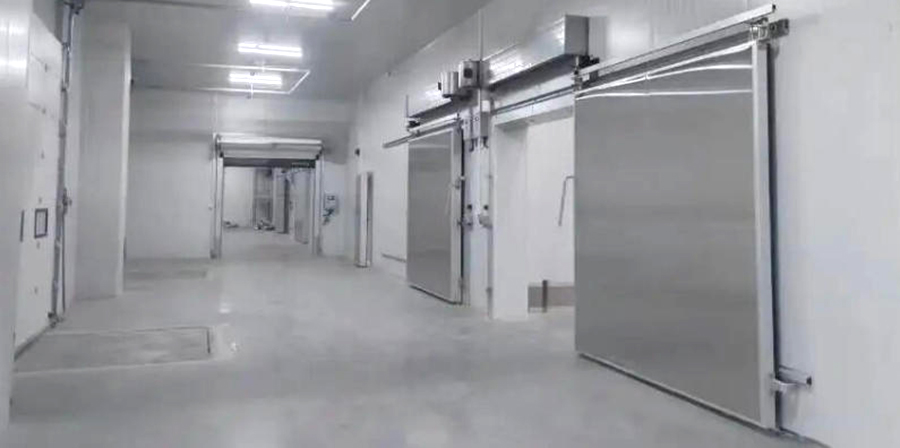 II. Подробная классификация по функции/использованию
1. Холодильное хранение для сохранения фруктов и овощей
Предназначено для фруктов и овощей; контролирует температуру и влажность для предотвращения потери влаги и порчи, тем самым продлевая срок хранения.
2. Холодильное хранение замороженного мяса
Используется бойнями, мясоперерабатывающими предприятиями и оптовыми рынками для хранения замороженной свинины, говядины, баранины, курятины и утятины.
3. Холодильное хранение морепродуктов
Подразделяется на зоны сохранения свежести, охлаждения и быстрой заморозки; подходит для рыбы, креветок, крабов и моллюсков для предотвращения порчи и обезвоживания.
4. Фармацевтическое холодильное хранение (соответствие GSP)
Строго соответствует нормативным требованиям; подразделяется на хранение в прохладных условиях, холодильное хранение и хранение реагентов:
• Хранение в прохладных условиях: ≤20°C
• Фармацевтическое охлаждение: 2–8°C
• Хранение реагентов/плазмы: ниже -20°C
Используется для вакцин, реагентов, биологических агентов и приготовленных трав традиционной китайской медицины (TCM).
5. Хранение для быстрой заморозки
Быстро замораживает пищевые продукты до самой сердцевины, чтобы сохранить влагу и питательные вещества; обычно используется на предприятиях пищевой промышленности.
6. Холодильное хранение для логистики/распределения (хранение в холодовой цепи)
Используется для перевозки, распределения и сортировки; характеризуется частой оборачиваемостью запасов и оснащается буферными зонами и погрузочными доками.
7. Взрывозащищенное холодильное хранение
Предназначено для химического сырья и легковоспламеняющихся/взрывоопасных реагентов; оснащено взрывозащищенными электрическими компонентами для максимальной безопасности.
8. Холодильное хранение с регулируемой газовой средой (CA) (высококачественное сохранение)
Регулирует уровни кислорода и углекислого газа для увеличения срока хранения в 2–3 раза по сравнению со стандартным хранением; обычно используется для премиальных и импортных свежих фруктов.
9. Малые бытовые/коммерческие холодильные камеры
Используются магазинами у дома, ресторанами и магазинами свежих продуктов; имеют компактный размер и стабильный контроль температуры.
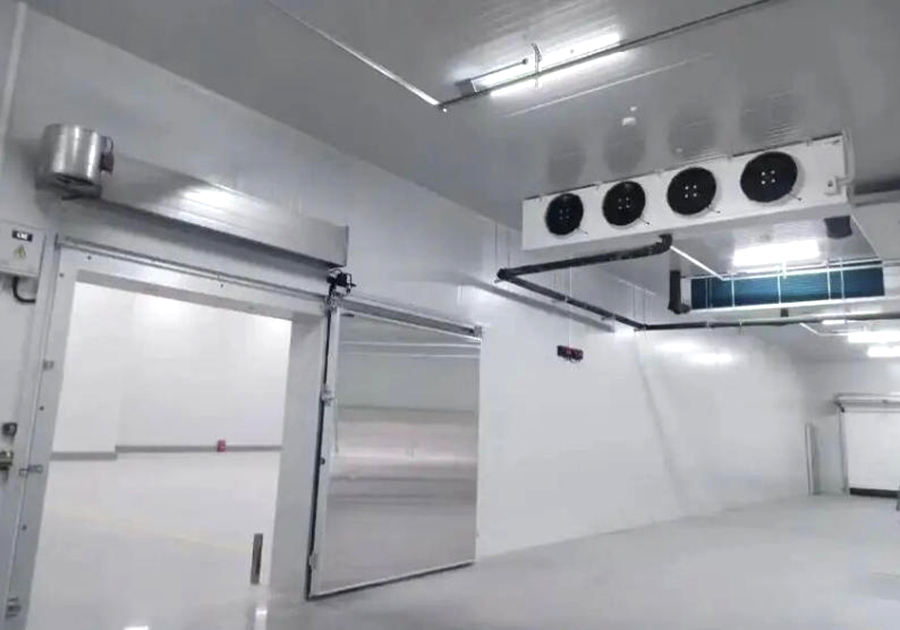 III. Классификация по конструктивной форме
1. Модульное (сборное) холодильное хранилище: собирается из теплоизоляционных панелей; быстро устанавливается и легко разбирается/перемещается; предпочтительный выбор для малых и средних объектов.
2. Холодильное хранилище капитального строительства: имеет железобетонные стены с внутренними теплоизоляционными слоями; предназначено для крупномасштабного, долгосрочного стационарного использования.
3. Переносное холодильное хранилище из сэндвич-панелей: перемещаемые установки, подходящие для временных потребностей хранения.
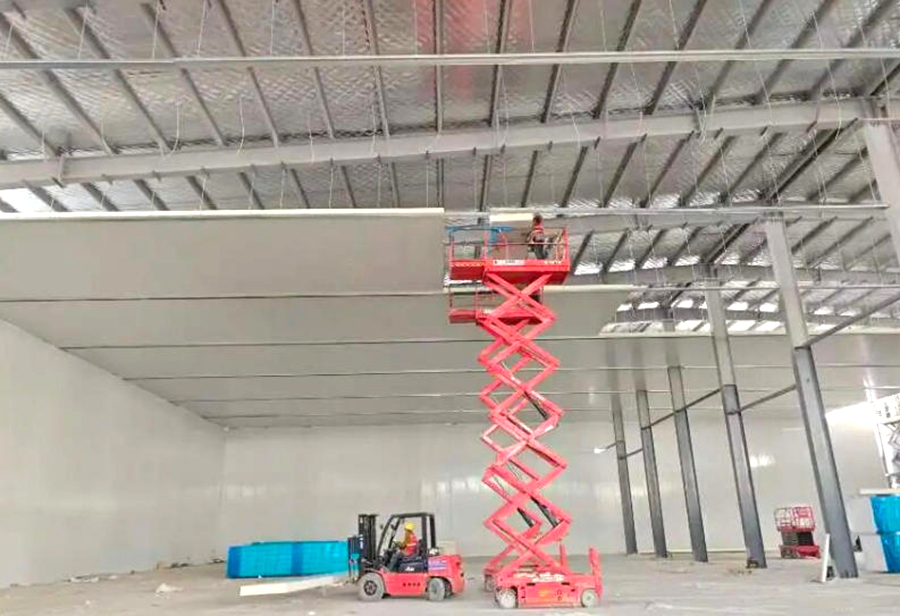 IV. Классификация по размеру
1. Микрохолодильное хранилище: менее 10 м³; для небольших магазинов и бытового использования.
2. Малое холодильное хранилище: 10–100 м³; для магазинов свежих продуктов и ресторанов.
3. Среднее холодильное хранилище: 100–1 000 м³; для оптовых рынков и перерабатывающих предприятий.
4. Крупное холодильное хранилище: более 1 000 м³; для парков холодовой цепи и логистических центров.
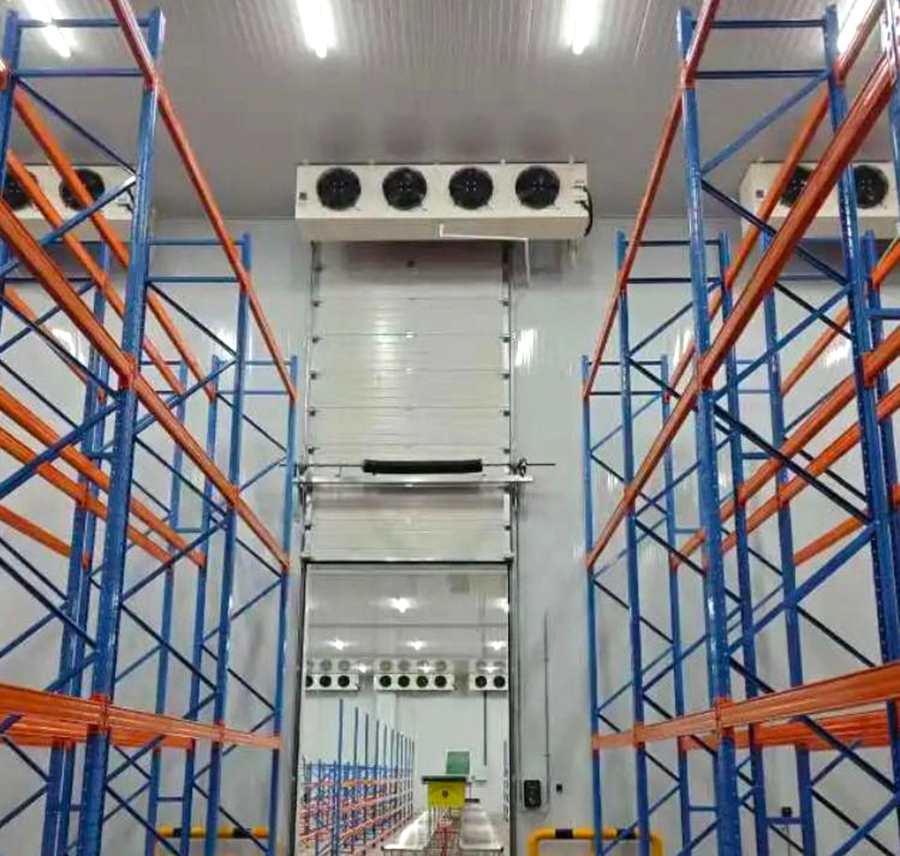 V. Классификация по специализированным функциям
1. Буферная камера:Соединяет внешнюю среду с зоной холодильного хранения; минимизирует потери холодного воздуха при открытии дверей и предотвращает образование инея.
2. Камера предварительного охлаждения:Снижает температуру продукта перед хранением; защищает холодильное хранилище и продлевает срок годности продукта.
3. Камера для размораживания:Обеспечивает медленное размораживание с контролем температуры; обычно используется в переработке мяса.
4. Холодильное хранилище с осушением воздуха:Оснащено контролем влажности для предотвращения образования инея и плесени на товарах.
Пожалуйста, выберите холодильное хранилище, которое лучше всего соответствует вашим потребностям, чтобы избежать ненужных затрат или сложностей.
Если вам нужна дополнительная информация или у вас есть вопросы, пожалуйста, свяжитесь с командой Yumisteel.
Годы опыта



 Интернет Сервис
 +86-592-6095031
 manager@yumisteel.com
 Alina_Yuki
 +8613559086380+8615860744964
 русский
 English
 español
 português
 日本語
日本語