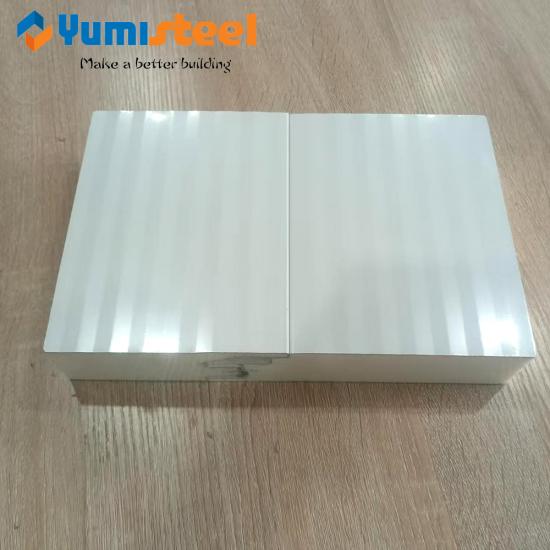

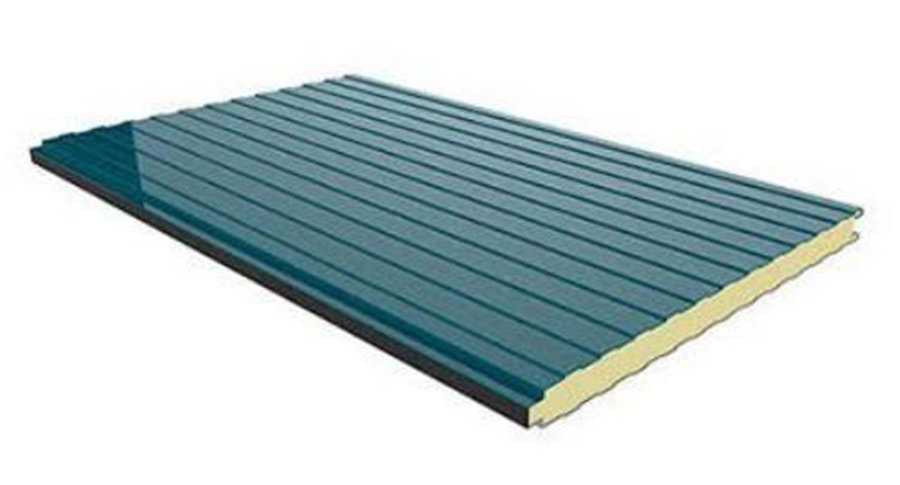
Металлические сэндвич-панели официально известны как «металлические теплоизоляционные сэндвич-панели для строительства». Это самонесущие композитные панели, состоящие из двух металлических облицовок и изоляционного сердечника, соединённых между собой. Материалы сердечника обычно включают вспененный полистирол (EPS), экструдированный полистирол (XPS), жёсткий пенополиуретан, каменную вату, шлаковую вату и стекловату. Металлические облицовки часто представляют собой стальные листы с цветным покрытием. Противопожарные стены — это негорючие стены с пределом огнестойкости не менее 3,00 часов. Они предназначены для предотвращения распространения огня в прилегающие зоны. Противопожарные стены отсеков аналогичным образом являются негорючими стенами, которые соответствуют установленным требованиям по огнестойкости в зависимости от сценариев применения, обычно в диапазоне от 1,0 до 3,0 часов. Ключевым показателем эффективности для обоих типов является предел огнестойкости. Он определяется как время в часах от начала воздействия огня до момента, когда конструктивный элемент теряет несущую способность, целостность или теплоизоляционные свойства в условиях стандартного испытания на огнестойкость, в зависимости от того, что наступит раньше.
Требования пожарной безопасности для противопожарных стен и стен противопожарных отсеков
Противопожарные стены и стены противопожарных отсеков должны быть выполнены из негорючих материалов. Их предел огнестойкости оценивается по трём критериям: несущая способность, целостность и теплоизоляция. Нарушение любого одного критерия прекращает испытание. Для соответствия этим требованиям используемые материалы не должны способствовать распространению огня, образованию дыма или разрушению конструкции. Поэтому любые горючие материалы сердечника, такие как EPS, XPS или жёсткий пенополиуретан, не могут использоваться в стенах, предназначенных для противопожарного разделения. Даже если металлические облицовки обеспечивают защитный внешний слой, поведение сердечника в условиях пожара определяет общие эксплуатационные характеристики.
Могут ли металлические сэндвич-панели использоваться в качестве противопожарных стен?
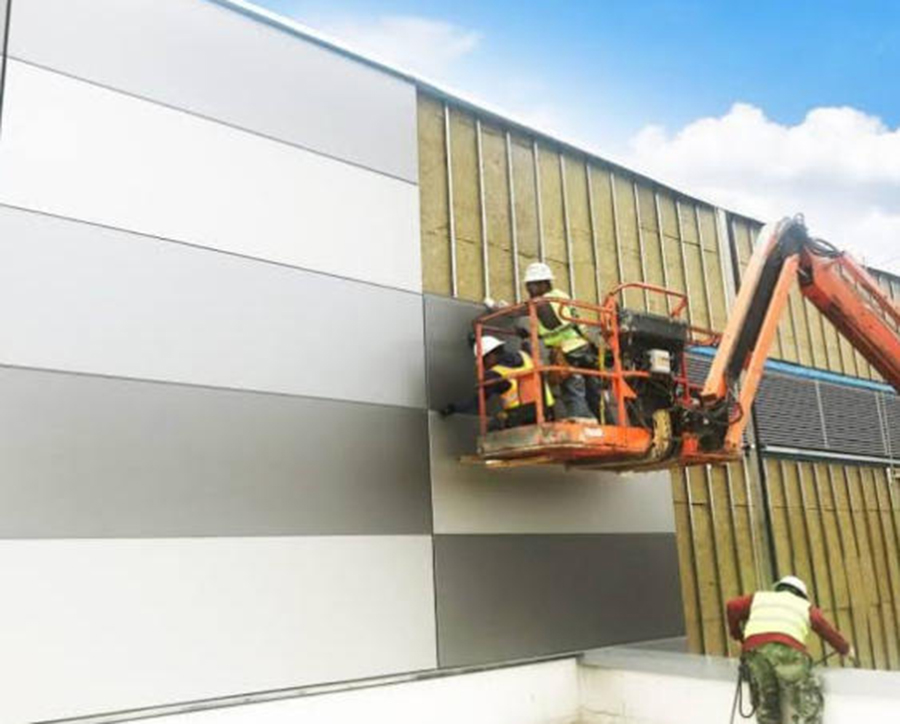
Ответ, как правило, нет, за одним исключением. Для ненесущих наружных стен, перегородок или кровельных панелей сердечник должен быть класса A и негорючим. Однако к противопожарным стенам и стенам противопожарных отсеков предъявляются более строгие требования. Даже с сердечником из каменной ваты металлические сэндвич-панели являются самонесущими, а не интегрированными в основную конструкцию. При пожаре стальные облицовки размягчаются, соединение разрушается, и панель может провиснуть или обрушиться. Это не предотвращает распространение огня. Кроме того, это создаёт угрозу для эвакуации людей и работы пожарных. Пожары во временных строительных сооружениях на площадках подтвердили эти риски. Поэтому металлические сэндвич-панели не следует использовать в качестве противопожарных стен или стен противопожарных отсеков в капитальных зданиях. Их единственное безопасное с точки зрения пожарной безопасности применение — временные строительные сооружения с сердечниками класса A и строгими противопожарными мерами.
Для получения дополнительной информации или по любым вопросам, пожалуйста, свяжитесь с командой Yumisteel.
Годы опыта



 Интернет Сервис
 +86-592-6095031
 manager@yumisteel.com
 Alina_Yuki
 +8613559086380+8615860744964
 русский
 English
 español
 português
 日本語
日本語