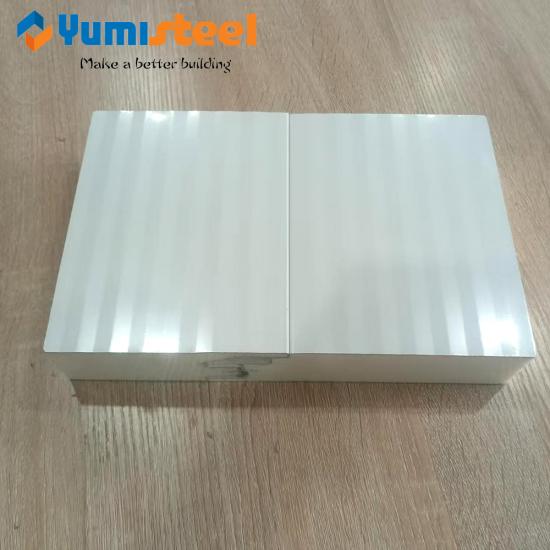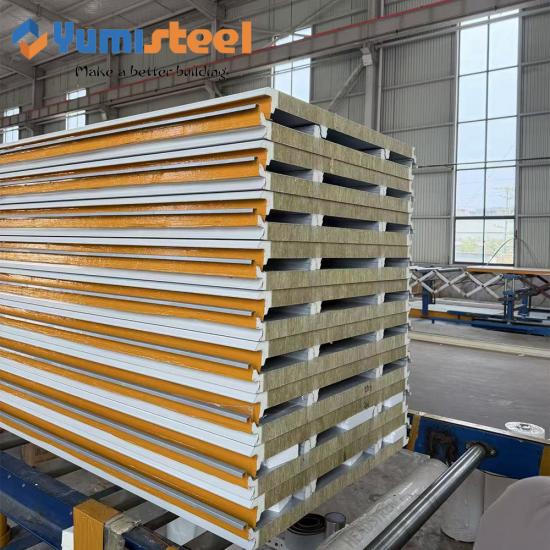

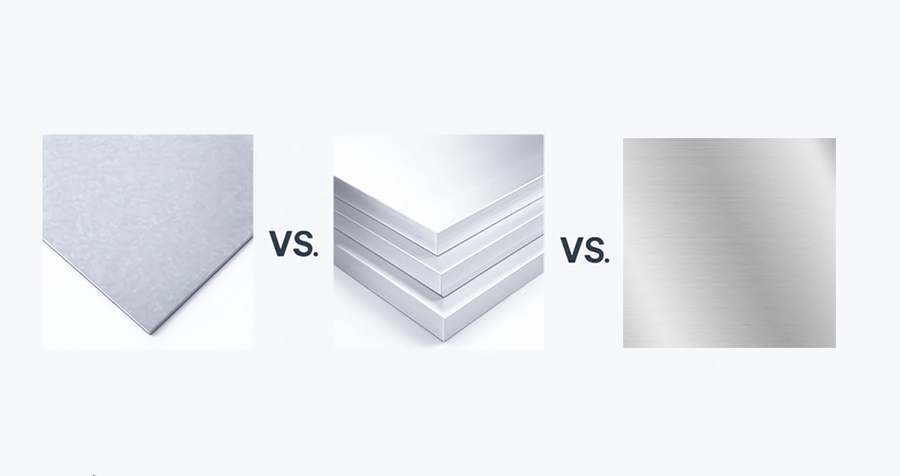
Многие люди при выборе сосредотачиваются на «основном материале».панель для чистых помещенийОднако следует упускать из виду поверхность стальной пластины, которая ежедневно подвергается воздействию воды, химикатов и коррозии. Будет ли панель ржавой или останется блестящей через три года, наполовину зависит от поверхности стальной пластины. В чем разница между оцинкованной сталью, алюминированной цинковой сталью и нержавеющей сталью?
|
Тип поверхности |
Базовый материал |
Механизм защиты |
Типичные оценки |
Основные преимущества |
Лучшее приложение |
|
Оцинкованная сталь |
Холоднокатаная сталь + покрытие из чистого цинка (с обеих сторон) |
Защита с помощью жертвенного анода (цинк корродирует первым). |
DX51D+Z (проверьте по инструкции) |
Недорогая, универсальная защита от ржавчины. |
Стандартные условия чистых помещений, сухие внутренние зоны. |
|
Сталь с алюминиево-цинковым покрытием |
Холоднокатаная сталь + покрытие из алюминиево-цинкового сплава |
Алюминий образует плотную оксидную пленку; цинк защищает срезы. |
S350GD+AZ (проверьте по инструкции) |
Превосходная устойчивость к атмосферной коррозии по сравнению с оцинкованной сталью. |
Влажные или зоны с высокой разницей температур |
|
Нержавеющая сталь |
Стальной сплав с хромом (≥10,5%) |
Пассивная пленка из оксида хрома (самовосстанавливающаяся) |
304, 316L (проверьте по инструкции) Отличная химическая стойкость; |
В состав стали 316L добавлен молибден для повышения устойчивости к хлоридам и кислотам. |
Зоны с высокой степенью воздействия, характеризующиеся частым контактом с химическими веществами или солевыми растворами. |
Вкратце: оцинкованная сталь — наиболее экономичный вариант, алюминированная цинковая сталь обладает лучшей устойчивостью к коррозии, а нержавеющая сталь — вариант, не требующий технического обслуживания.
|
Тип поверхности |
Покрытие / Спецификация |
Типичный диапазон |
|
Оцинкованная сталь |
Вес цинкового покрытия (г/м²)²) |
З100–Z275 |
|
Сталь с алюминиево-цинковым покрытием |
Вес алюминиево-цинкового покрытия (г/м²)²) |
АЗ100–АЗ185 |
|
Нержавеющая сталь |
Класс + качество поверхности (а не вес покрытия) |
304 / 316L с отделкой 2B или BA |
Следует отметить два момента: вес покрытия и толщина пластины — это два разных понятия. Оба параметра необходимо уточнять при запросе цен; не позволяйте себя ввести в заблуждение заявлениями об «одинаковой толщине». В пищевой и фармацевтической промышленности также действуют требования к покрытиям, соответствующим стандартам безопасности пищевых продуктов (например, к материалам, контактирующим с пищевыми продуктами), поэтому нельзя просто смотреть на саму стальную пластину.
Не существует «лучшего» стального листа, есть только «наиболее подходящий»: для обычных заводов по производству электроники и упаковочных цехов достаточно оцинкованной стали, которая обеспечивает наилучшее соотношение цены и качества.
Обработка пищевых продуктов и цеха с использованием кислотной или щелочной очистки.
Отдавайте предпочтение алюминиево-цинковому или нержавеющему стали; для участков с частым ополаскиванием используйте непосредственно нержавеющую сталь марки 304.
Стерильные зоны фармацевтической промышленности (классы A/B)
Используйте электролитическую сталь или нержавеющую сталь, устойчивую к дезинфекции (спиртом, перекисью водорода), а также поверхности, которые можно часто протирать без образования пыли или отслаивания краски.
зоны с высокой влажностью и риском образования конденсата
Алюминиево-цинковая или нержавеющая сталь превосходит обычную оцинкованную сталь, снижая риск коррозии кромок.
Сделайте правильный выбор, и ваши панели останутся чистыми долгие годы.!
Для получения дополнительной информации или по любым вопросам, пожалуйста, свяжитесь с командой Yumsteel.
Годы опыта



 Интернет Сервис
 +86-592-6095031
 manager@yumisteel.com
 Alina_Yuki
 +8613559086380+8615860744964
 русский
 English
 español
 português
 日本語
日本語