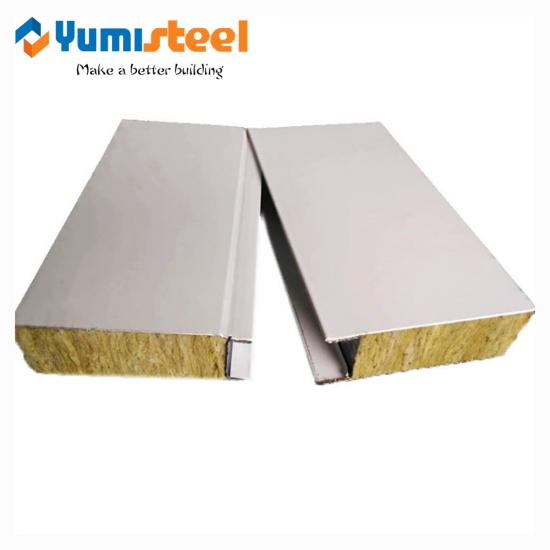

Insulated metal panels (IMPs) are a significant investment that affects a building's energy performance, fire safety, and long-term durability. Choosing the wrong panel system can lead to costly change orders, insurance complications, and performance failures. Here are the ten factors you should evaluate before making a purchase.
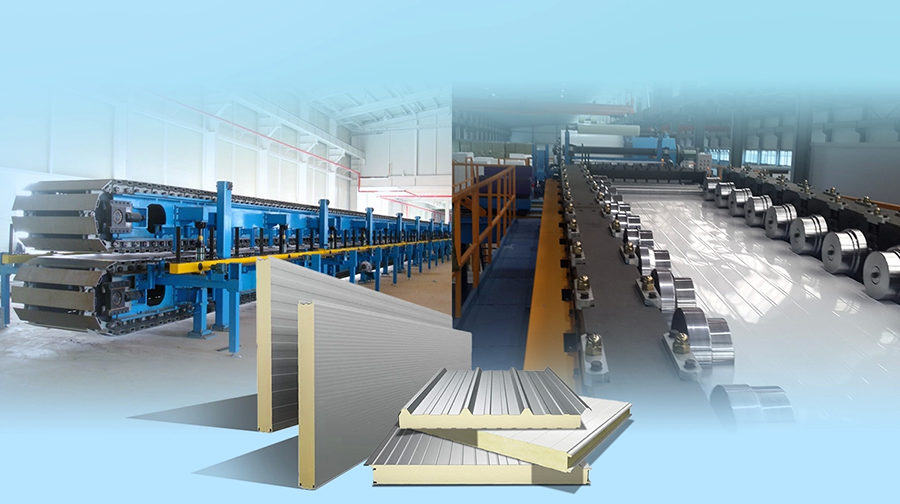
Fire performance is often the single biggest factor separating IMP options. Panels without proper fire ratings may be acceptable for low-risk occupancies, but they can create problems with insurance acceptance, design limitations, and future tenant flexibility. If your project is FM insured, you should start with FM-listed assemblies rather than trying to value-engineer into compliance later. FM 4880 covers Class 1 fire performance for insulated panels, while FM 4881 adds requirements for exterior wall applications. Mineral wool core panels can achieve fire ratings up to three hours in wall applications, depending on thickness.
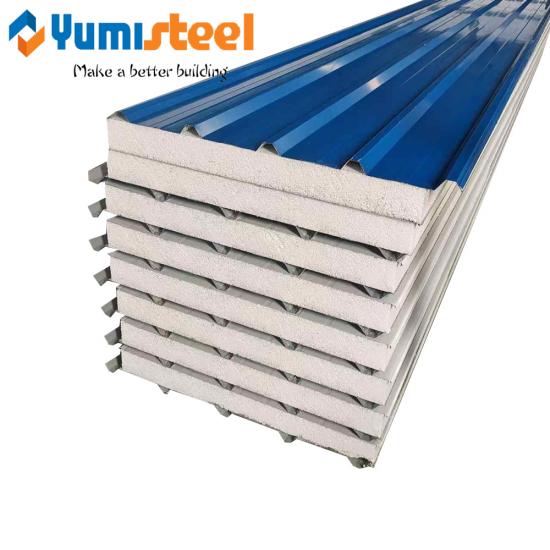
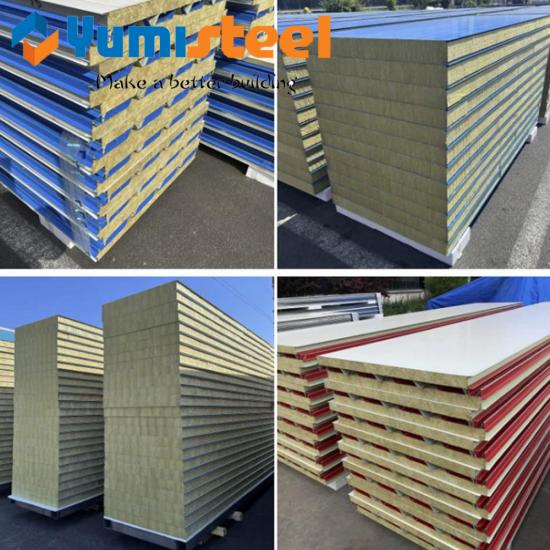
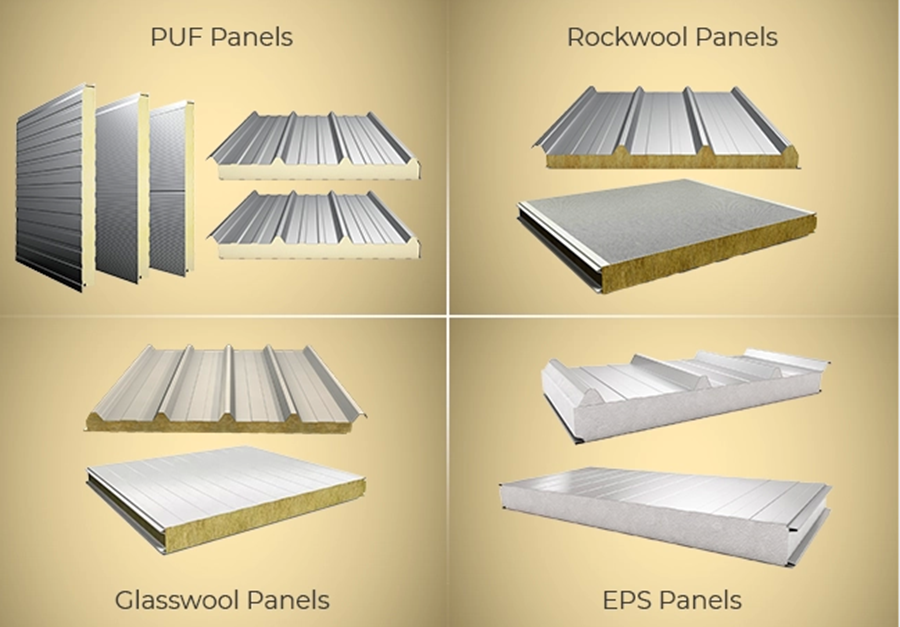
The insulation core drives thermal performance, fire behavior, and cost. Polyisocyanurate (polyiso) cores typically offer higher R-values per inch and are well-suited for energy-efficient envelopes. Expanded polystyrene (EPS) cores provide cost efficiency and consistent thermal performance over time. Mineral wool cores prioritize fire resistance and sound insulation but generally have lower R-values than foam cores. The choice depends on your project's balance of energy performance, fire requirements, and budget.
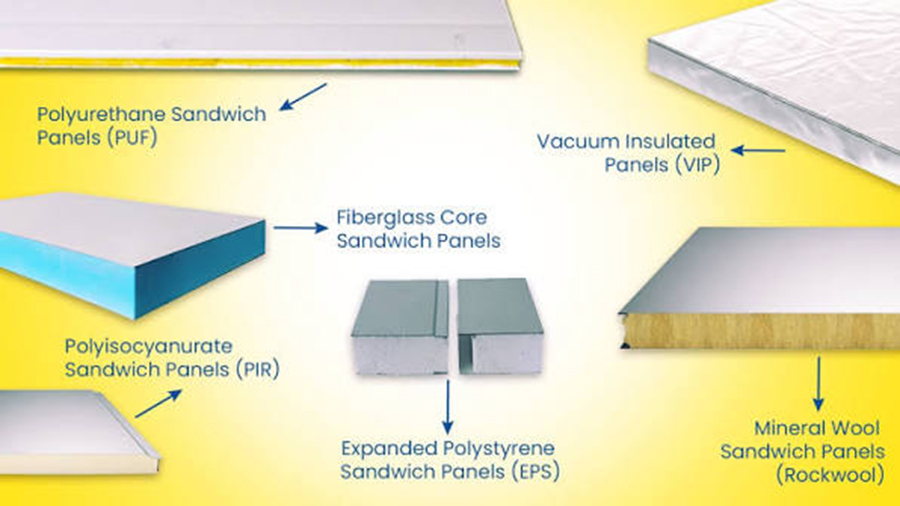
IMP thermal performance varies significantly by core type and thickness. Polyiso panels can achieve R-values around 7 to 8 per inch, while EPS typically provides around R-4 per inch. Panel thickness ranges from 2 inches to 8 inches or more, with R-values scaling accordingly. A 4-inch polyiso panel may deliver R-28, while a 6-inch panel can reach R-42 or higher. For cold storage and freezer applications, higher R-values are essential to control energy costs and prevent condensation.
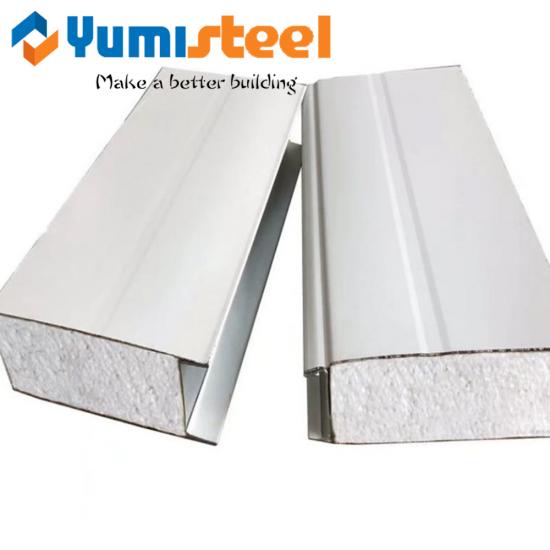
The panel joint is the heart of the IMP system's weather and air barrier performance. Tongue-and-groove joints with factory-applied sealants are common, but designs vary. Double tongue-and-groove joints with compressible gaskets minimize thermal bridging and reduce condensation risk at panel interfaces. The joint strategy also affects installation speed—simpler engagement means faster erection and fewer field errors.
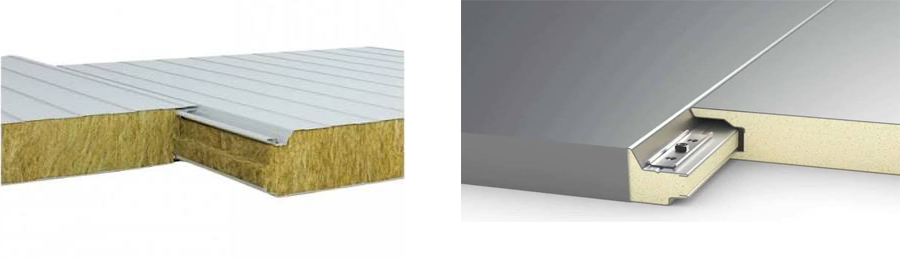 5. Panel Profile and Aesthetics
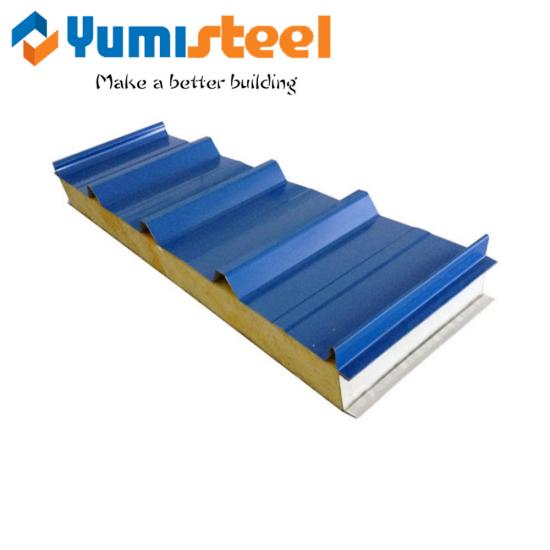
IMP profiles range from ribbed (corrugated) to flush to striated to shadowline. Ribbed panels offer structural rigidity and work well for industrial facilities, while flush panels provide a clean, modern look suited for customer-facing buildings. Shadowline and reveal profiles create visual depth for corporate and institutional projects. Profile selection affects not only appearance but also water shedding, load-bearing capacity, and installation precision.
IMPs must span between supports and resist wind uplift, snow loads, and dead loads. Panel span capability depends on facing gauge, core thickness, and profile. Heavier-gauge steel facings (22 or 24 gauge versus 26 gauge) increase structural capacity but add cost. Roof panels have specific requirements—they are not designed to support concentrated point loads from HVAC equipment without proper sub-framing. Always verify panel load-span tables against your project's structural requirements.
IMP material pricing ranges from roughly $3 to $15 per square foot, while installed costs run $7 to $35 per square foot depending on application and specification. The cheapest quote is rarely the best value—low bids often exclude trim, flashing, sealants, fasteners, or shop drawings, leaving gaps that become change orders later. A proper cost comparison normalizes panel thickness, facings, coatings, joint type, and accessory packages across all bids.
Certifications provide third-party verification of performance claims. Look for test reports covering fire ratings (ASTM E119, CAN/ULC S101), thermal performance (ASTM C518), and air/water infiltration (ASTM E283, ASTM E331). QAI listing is a strong indicator for walk-in cooler and freezer panels. FM Approvals listing matters for projects with property insurance requirements. If a manufacturer cannot provide documentation, their low price may hide performance risks.
IMP installation is unforgiving,panels must be installed plumb, square, and within manufacturer tolerances. The first panel establishes alignment for the entire wall, and errors compound with each subsequent panel. A qualified crew installs 800 to 1,500 square feet per day, depending on panel length, height, and penetration density. Choose a manufacturer that provides installation manuals, training, and field support. Some systems include factory-applied intumescent tape or other features that reduce field labor.
IMP panels are typically on the critical path because interior trades cannot begin until the building is dried in. Panel lead times vary by manufacturer, thickness, and finish, and delays translate directly into schedule and cost consequences. Panels must be stored properly on site,off the ground, sloped for drainage, and covered if exposure is expected. Confirm delivery schedules and unloading requirements before committing to an installation sequence.
Selecting the right insulated metal panel requires balancing fire performance, thermal efficiency, structural needs, cost, and installation practicalities. Define your project's performance criteria before comparing quotes, verify certifications, and work with manufacturers who provide transparent technical documentation and field support. The right panel choice will pay dividends in energy savings, durability, and long-term building performance.
For more information needed or any inquiry,please feel free to contact Yumisteel team.
Годы опыта



 Интернет Сервис
 +86-592-6095031
 manager@yumisteel.com
 Alina_Yuki
 +8613559086380+8615860744964
 русский
 English
 español
 português
 日本語
日本語