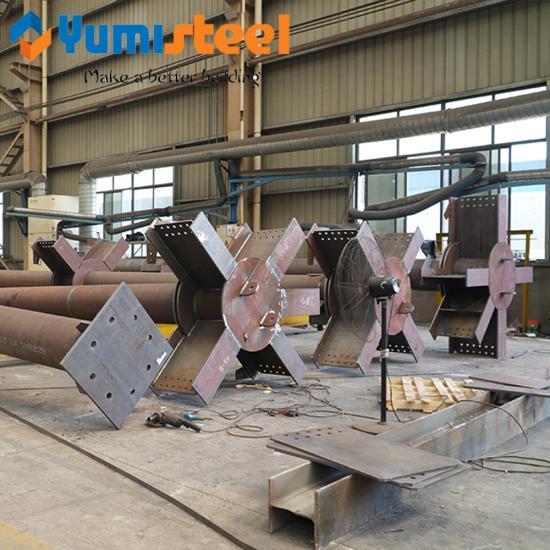

I. Типы стальных кровельных конструкций
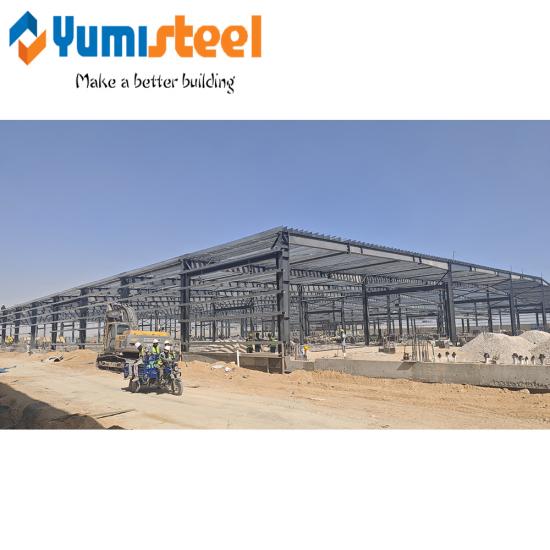
Крыша, являясь самой верхней несущей и внешней ограждающей конструкцией здания, играет решающую роль в общей структуре здания, как в своей ограждающей функции, так и в проектировании фасада. Это наиболее уязвимая часть лёгкой конструкции. стальная конструкция Система защиты от протечек. Ее основная функция — защита от ветра, дождя, снега и солнечного излучения, а также выдерживание веса самой крыши, нагрузок от ветра, снега и людей на крыше.
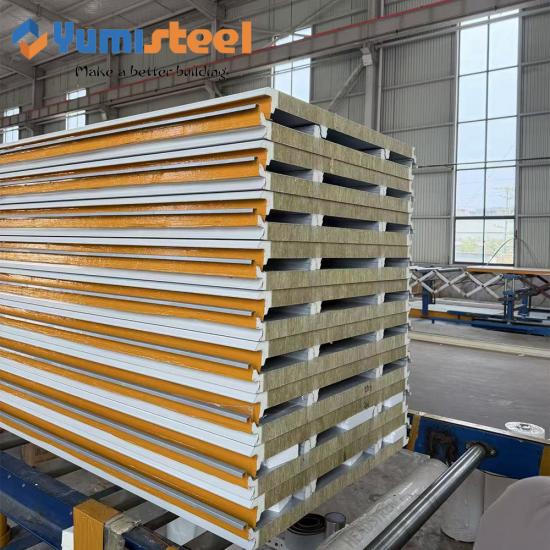
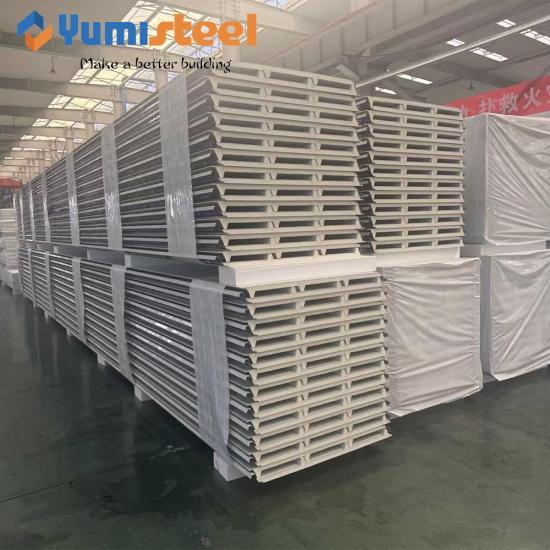
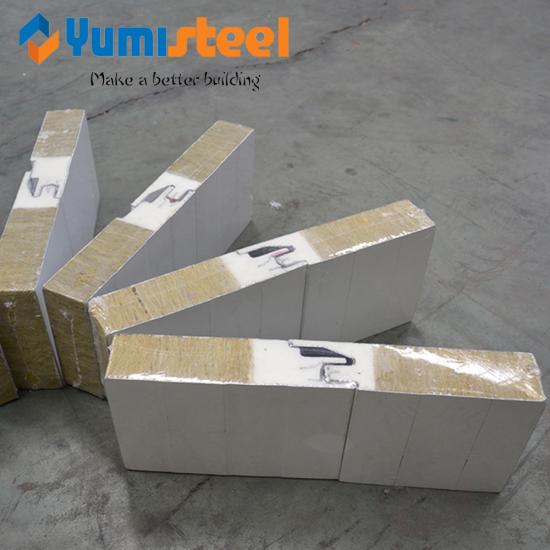
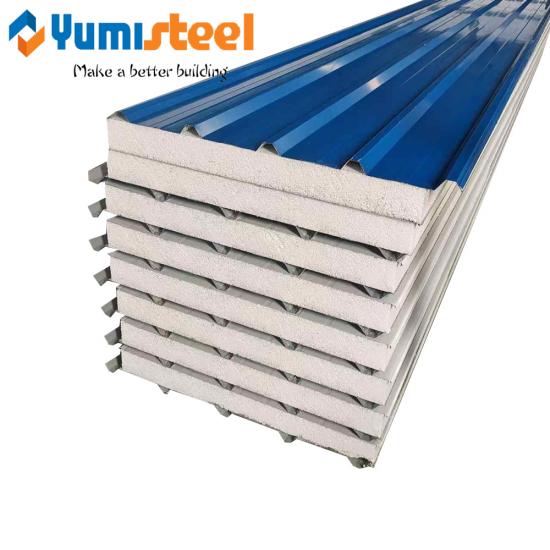
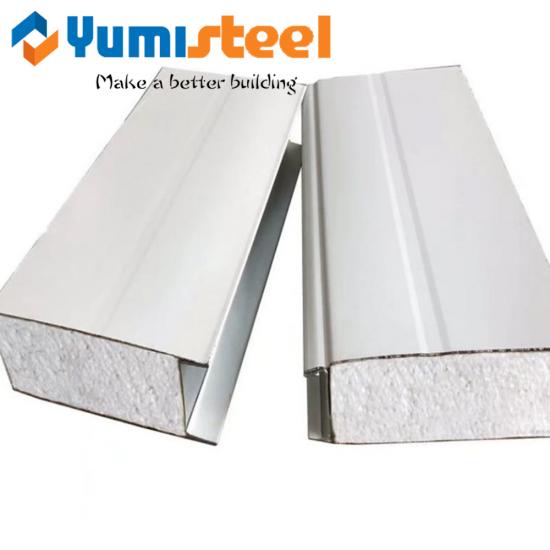
[1] Легкие стальные кровельные конструкции можно разделить на различные типы в зависимости от используемых материалов, включая цветные профилированные стальные листы, цветные стальные сэндвич-панели, цветную битумную черепицу, различные легкие кровельные панели, панели из стекловолокнистого бетона, металлические арочные гофрированные крыши и композитные профилированные стальные листы.
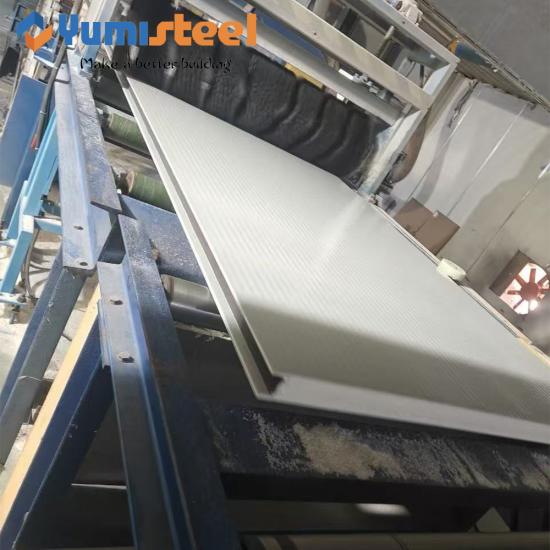
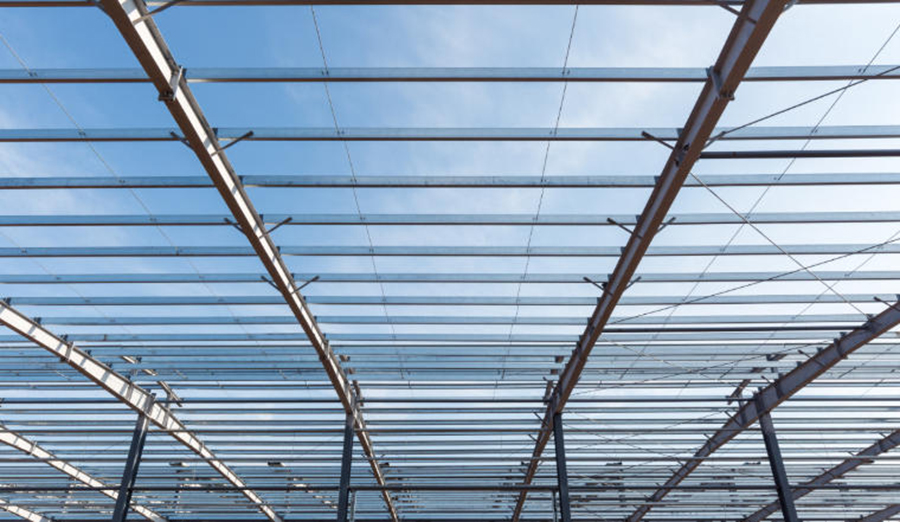
[2] Основными материалами, используемыми для легких стальных конструкций крыш и стен, являются цветные профилированные листы или сэндвич-панели. Соединение цветных профилированных листов может осуществляться с помощью панелей с закругленными краями (3600), скрытых крепежных элементов или панелей, скрепленных гвоздями. Прогоны представляют собой легкие тонкостенные стальные прогоны С- или Z-образной формы, а уклон крыши обычно составляет от 1/10 до 1/15.
II. Соединения кровельных панелей
В кровельных системах стальных конструкций существует два типа соединений кровельных панелей: продольные и поперечные. Продольные соединения в основном включают перекрытие, при котором верхняя скатная плита перекрывает нижнюю скатную плиту. В местах перекрытия используется специальный водонепроницаемый герметик и крепежная лента. Поперечные соединения в настоящее время в основном включают следующие три метода: соединение внахлест, соединение со скрытыми крепежными элементами и соединение со скрытыми крепежными элементами с замковым соединением.
 я
II. Анализ L
Причины и решения проблем, связанных с утечками.
Места аренды
я
II. Анализ L
Причины и решения проблем, связанных с утечками.
Места аренды
Протечки в системе обслуживания кровли можно классифицировать по местоположению следующим образом:
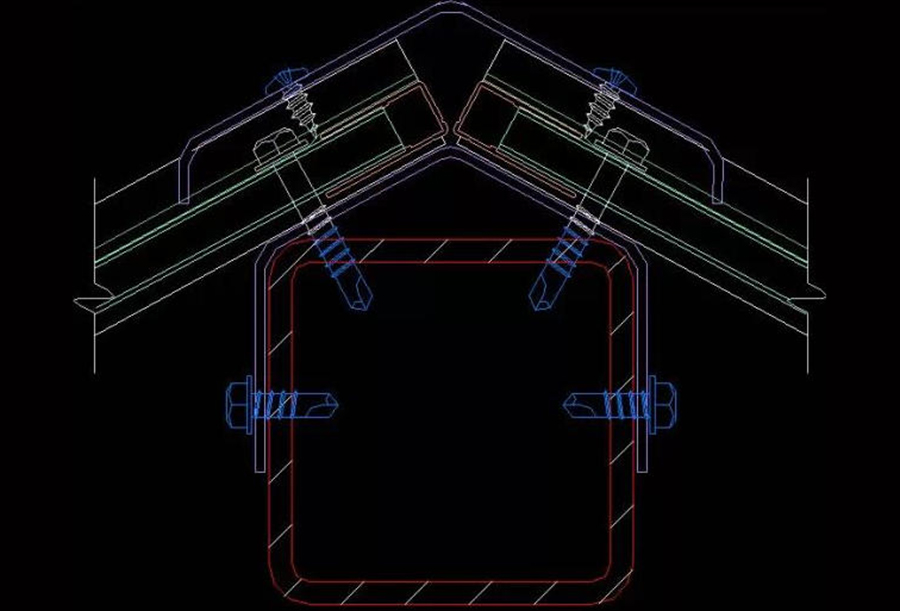
Район хребта
★ Причины протечек: слишком высокая высота конька, из-за чего коньковый элемент не обеспечивает достаточную гидроизоляцию; недостаток герметика или силикона в местах продольных нахлестов приводит к образованию зазоров и протечкам; коньковые элементы соединены заклепками в местах продольных нахлестов, которые ломаются из-за недостаточного теплового расширения и сжатия, вызывая протечки; между коньковым элементом и кровельной панелью не установлены торцевые заглушки, или торцевые заглушки установлены неправильно и отваливаются, вызывая протечки.
★ Решения: Расширить коньковый элемент и увеличить уклон; нанести герметик или силикон в местах нахлеста; заменить стойки стыков; убедиться, что торцевые заглушки соответствуют типу панелей, и нанести герметик или силикон выше и ниже торцевых заглушек во время монтажа.
Вентиляционный блок на крыше
★ Причины протечек: Под кромку в месте соединения вентилятора и крыши не были установлены пенопластовые заглушки; на продольное перекрытие кромки не был нанесен герметик или силикон; кровельная плита не была установлена в месте соединения вентилятора; гидроизоляция отверстий в несущих конструкциях вентилятора не была нанесена; сам вентилятор имел потенциал протечек во время изготовления и монтажа.
★ Решения: Перед установкой кромок следует использовать пенопластовые заглушки; для продольных нахлестов необходимо использовать герметик или заглушки, закрепив их гвоздями; кровельную плиту следует установить до установки вентилятора; подрядчик по установке вентиляторов должен выполнить гидроизоляцию отверстий после завершения строительства вентиляционной конструкции; необходимо проверить качество монтажа и гидроизоляционные свойства вентилятора.
Область панели светового люка
★ Причины протечек: Форма светового люка не соответствует форме кровельной панели; выступы по обеим сторонам светового люка выше кровельной панели. После установки чрезмерная герметизация создает разницу давлений между внутренней и внешней сторонами светового люка, позволяя капиллярной воде просачиваться в крышу через зазоры по обеим сторонам светового люка; длина продольного нахлеста светового люка недостаточна, и клей изношен и потерял свою адгезию; продольный клей отслоился; световой люк и цветная стальная пластина жестко наложены друг на друга, и зазор посередине не герметизирован.
★ Решения: Установите водонепроницаемые винты в верхней части гребней; кромка панели светового люка должна быть надежно приклеена к панели светового люка; продольный слой клея с обеих сторон следует расширить и нанести на верхнюю часть гребней, чтобы предотвратить капиллярное просачивание воды.
Кровельные отверстия
★ Причины протечек: Отверстия не были гидроизолированы в соответствии с проектными спецификациями; стальные заглушки не были снабжены водонепроницаемым герметиком и силиконом; зазор вокруг отверстия был слишком мал, что препятствовало оттоку дождевой воды и приводило к ее скоплению; перекрывающиеся кромки вокруг отверстия не были гидроизолированы; вокруг отверстия не были добавлены конструктивные элементы, что создавало низменную зону для скопления воды; гидроизоляционные работы препятствовали оттоку воды, что приводило к ее скоплению.
★ Решения: Строить согласно проектной документации и строго соблюдать строительные процедуры, используя герметик и силикон; зазор вокруг проема должен соответствовать требованиям водоотведения; гидроизоляцию необходимо проводить сразу после проемов в стенах и крышах; при последующих дополнениях к ограждениям следует добавлять стропила или угловые стальные конструкции для уменьшения деформации ограждения; гидроизоляция должна быть выполнена плотно и ровно, чтобы обеспечить беспрепятственный отток воды.
Зона карнизов
★ Причины протечек: Основной источник протечек — карнизная зона. Кровельные панели не были снабжены пенопластовыми заглушками; кровельные панели были установлены неправильно; стеновые панели были недостаточно длинными; и в карнизной зоне не была установлена водонепроницаемая окантовка.
★ Решения: Во время монтажа наружных панелей крыши следует одновременно устанавливать пенопластовые заглушки, а сами наружные панели крыши следует наклонить вниз под углом 30 градусов; в соответствии с проектными требованиями следует добавить дополнительную кромочную отделку по карнизам.
Водосточная зона
★ Причины протечек: Зазоры в сварных швах внутреннего водостока, вызывающие просачивание; диаметры водостока и водосточных труб рассчитаны слишком мало и не соответствуют длине уклона заводского здания; на концах водостока не установлены заглушки; недостаточное заглубление наружных панелей крыши в водосточный желоб приводит к обратному стоку воды в заводское здание.
★ Решения: Соответственно увеличьте глубину водосточного желоба, чтобы дождевая вода не выходила за пределы стыков.
Зона соединения кирпичной стены и легкой стальной кровли
★ Причины протечек: Эта область подвержена протечкам. Протечки в месте соединения кровельной панели и цементной стены в основном вызваны неравномерным напряжением, приводящим к растрескиванию силиконового герметика и поверхности соединения.
★ Решения: Предотвратите температурную деформацию, используя двойное соединение кромочных планок; при соединении с кирпичной стеной кромочная планка должна иметь определенный угол и быть полностью герметичной; между кромочными планками следует предварительно нанести герметик.
 я
V. Анализ других причин утечки
В системе технического обслуживания
я
V. Анализ других причин утечки
В системе технического обслуживания
Обоснование проекта
① В соответствии со спецификациями, система отвода дождевой воды с крыши не предусматривает мер по предотвращению перелива. При сильном дожде, превышающем пропускную способность системы, вода переливается через стыки и даже может выплеснуться на крышу, что может привести к авариям.
② Недостаточное количество водосточных труб приводит к длительному и продолжительному стоку дождевой воды по желобам, вызывая их застой. Отсутствие L-образного кромочного профиля в верхней части наружных стеновых панелей создает потенциальную протечку с внутренней стороны желобов.
③ Конструкция цветных стальных фитингов для гидроизоляции неоптимальна и не обеспечивает желаемого эффекта гидроизоляции.
④ Технические условия устанавливают значения контроля деформации компонентов: прогиб прогона L/180, прогиб балки крыши L/180 (где L — пролет изгибаемого элемента). Слишком малое поперечное сечение прогонов крыши и слишком большое расстояние между ними приводят к чрезмерной деформации прогонов и профилированных листов под воздействием ветровых нагрузок.
⑤ Влияние структурной деформации, деформации от перепада температур, усадки при высыхании и вибрации не было в полной мере учтено, и проект гидроизоляции не отвечает потребностям в отношении деформации базового слоя.
⑥ Идеальный уклон крыши легких каркасных домов должен составлять от 1/8 до 1/20, причем большее значение предпочтительно в районах с обильными осадками. В южных регионах уклон крыши не должен быть меньше 5%. В реальных инженерных проектах часто встречаются слишком мелкие уклоны крыши, что препятствует своевременному отводу дождевой воды в водосточные желоба.
Неправильный выбор материалов
① Для водосточных труб используются пластиковые трубы, которые обладают низкой прочностью и легко повреждаются при монтаже и эксплуатации зданий со стальными конструкциями.
② Стальные пластины, используемые для водосточных желобов, слишком тонкие, из-за чего сварные швы подвержены проблемам.
③ Неправильный выбор типа световых и кровельных панелей, не учитывающий уклон крыши, приводит к слишком мелким гофрированным элементам и недостаточному боковому нахлесту, что негативно сказывается на дренаже.
④ Цветные панели корпуса слишком тонкие; после некоторого времени эксплуатации внешние панели подвергаются коррозии или деформируются из-за перепадов температуры, что приводит к увеличению зазоров между ними.
⑤ Низкое качество оцинкованного слоя на профилированном листе, чрезмерно тонкое покрытие, приводит к короткому сроку службы и восприимчивости к ржавчине и повреждениям.
⑥ Шайбы для саморезов низкого качества склонны к растрескиванию, а герметик для стекла быстро стареет.
⑦ Значительная деформация панелей, с различиями в высоте и расстоянии между соседними панелями; для крепления панелей следует использовать водонепроницаемые заклепки.
Структурные меры
① Торцевые заглушки эффективно предотвращают протечки, вызванные стыками, и их не следует игнорировать. Убедитесь, что торцевые заглушки правильно установлены между цветным стальным листом и коньковым коньком, нанесите силиконовый герметик на нижнюю часть торцевой заглушки между панелью светового люка и коньковым коньком, а также установите стальные торцевые заглушки на гребнях цветного стального листа в местах кровельных проемов.
② Зазоры легко увеличиваются из-за изменений температуры во время перекрытия; необходимо обеспечить достаточную длину перекрытия.
③ Дренаж должен быть облегчен, а не заблокирован. Как правило, герметик следует наносить на внутреннюю сторону стального листа во время монтажа; чем больше, тем лучше.
④ Необходимо уделять достаточное внимание негативным последствиям теплового расширения и сжатия стальной конструкции кровельного покрытия и принимать разумные конструктивные меры.
Во время использования
① Произвольное увеличение нагрузки на стропила крыши приводит к деформации кровельных панелей.
② Чрезмерное скопление грязи в водосточных желобах препятствует оттоку воды.
③ Старение гидроизоляционного клея и герметика в сочетании с отсутствием необходимого технического обслуживания во время эксплуатации.
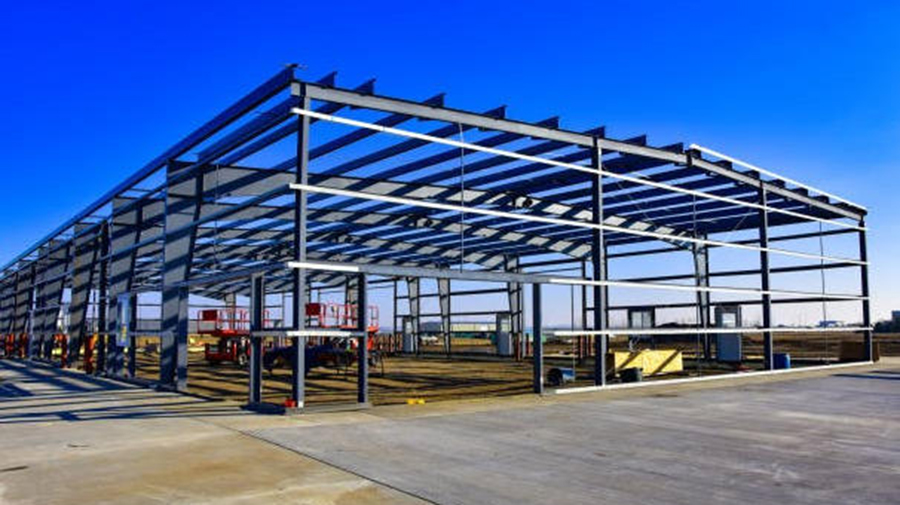 Многие факторы способствуют протечкам в системах гидроизоляции стальных конструкций. Для фундаментального решения проблемы крайне важен тщательный дизайн. Необходимо определить разумную схему проектирования, а также детально продумать гидроизоляцию в следующих точках: в местах завершения гидроизоляционного слоя; в деформационных и перегородочных швах; в местах водоотвода, входах/выходах и карнизах; а также в основании парапетных стен, местах установки оборудования, трубах и дымоходах. С точки зрения строительства, необходимо разработать конкретный план гидроизоляции для системы гидроизоляции, обеспечив координацию и сотрудничество между различными специалистами. Хорошо спроектированная система, правильный монтаж, разумная конструкция, корректное использование и последующее обслуживание — все это необходимо для обеспечения герметичности системы гидроизоляции стальных конструкций. Вкратце, независимо от метода монтажа, соблюдение определенных строительных технологий и соответствующих норм может уменьшить или предотвратить протечки.
Для получения дополнительной информации или по любым вопросам, пожалуйста, свяжитесь с командой Yumsteel.
Годы опыта



 Интернет Сервис
 +86-592-6095031
 manager@yumisteel.com
 Alina_Yuki
 +8613559086380+8615860744964
 русский
 English
 español
 português
 日本語
日本語