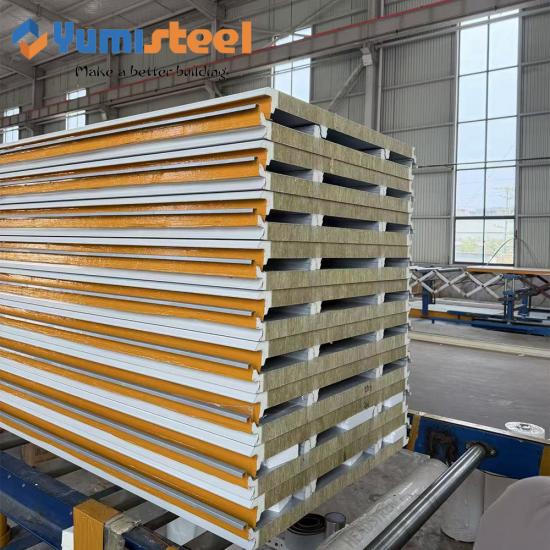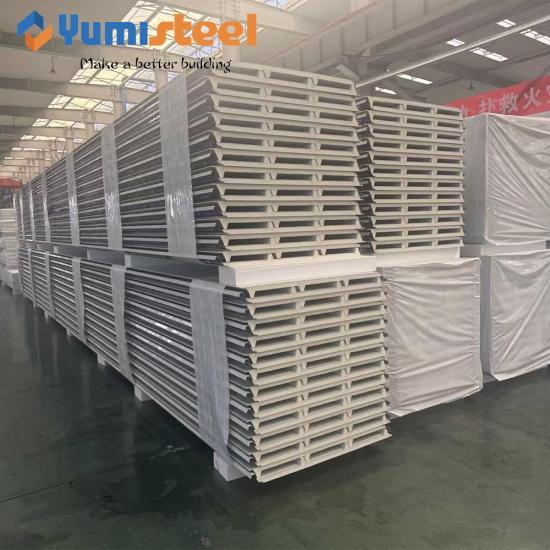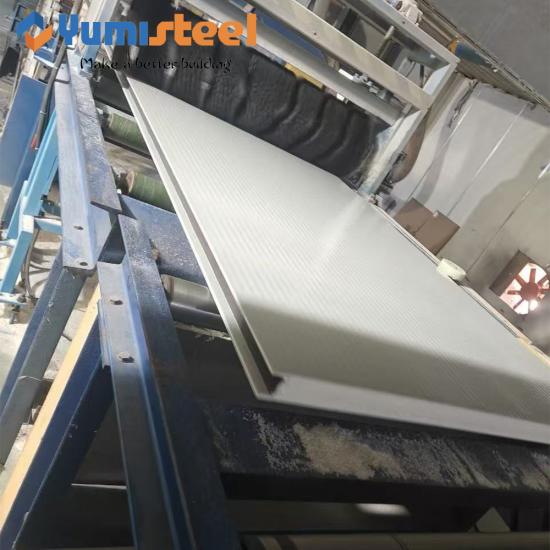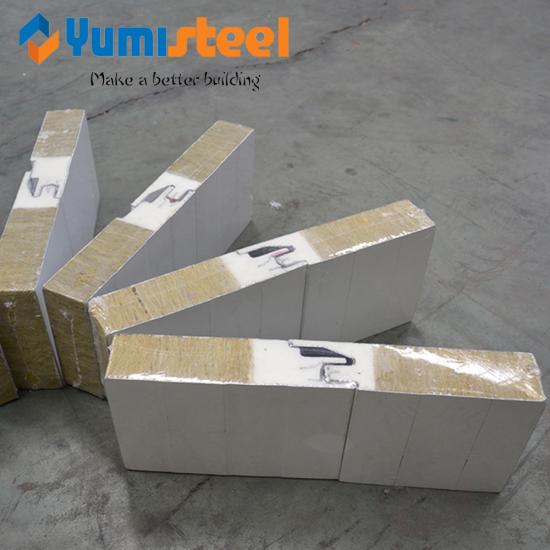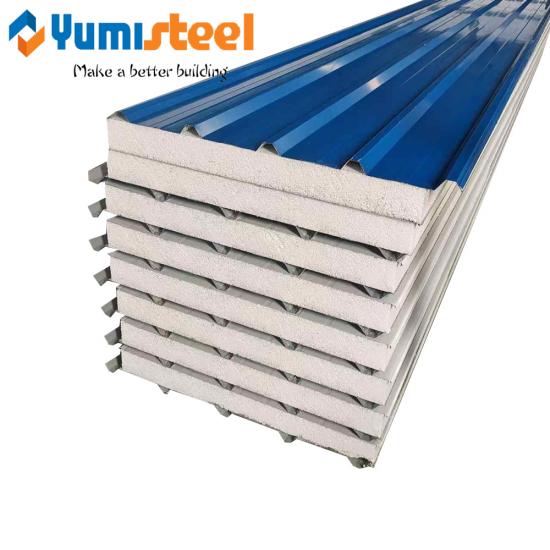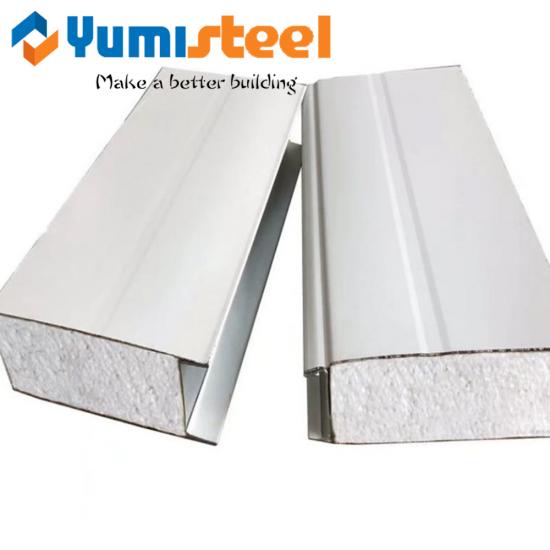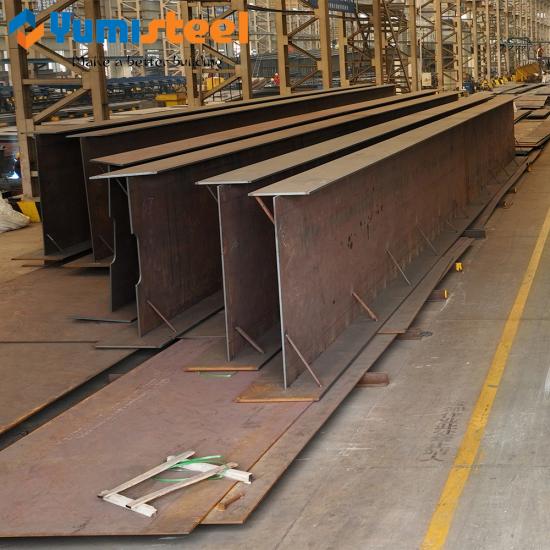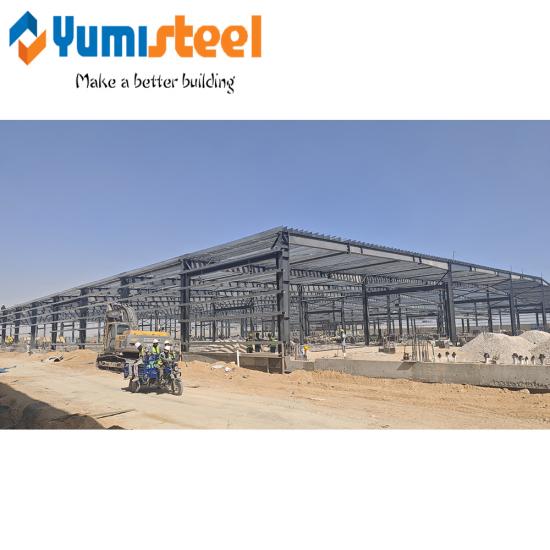

Полиуретановые сэндвич-панелиявляются одними из самых универсальных строительных материалов в современном строительстве. Состоящие из жесткого пенополиуретанового сердечника, заключенного между двумя металлическими облицовками, обычно стальными или алюминиевыми, эти панели обеспечивают исключительную теплоизоляцию и структурную прочность. Их применение охватывает от кровли и облицовки стен до холодильных складов и промышленных зданий. В этом руководстве рассматриваются основные типы панелей и их оптимальное применение в жилом, коммерческом и промышленном секторах.
Полиуретановые сэндвич-панели классифицируются в зависимости от их назначения
1. Полиуретановые кровельные панели (кровельные панели)
2. Полиуретановые стеновые панели (стеновые панели)
3. Полиуретановые панели для холодильных складов.
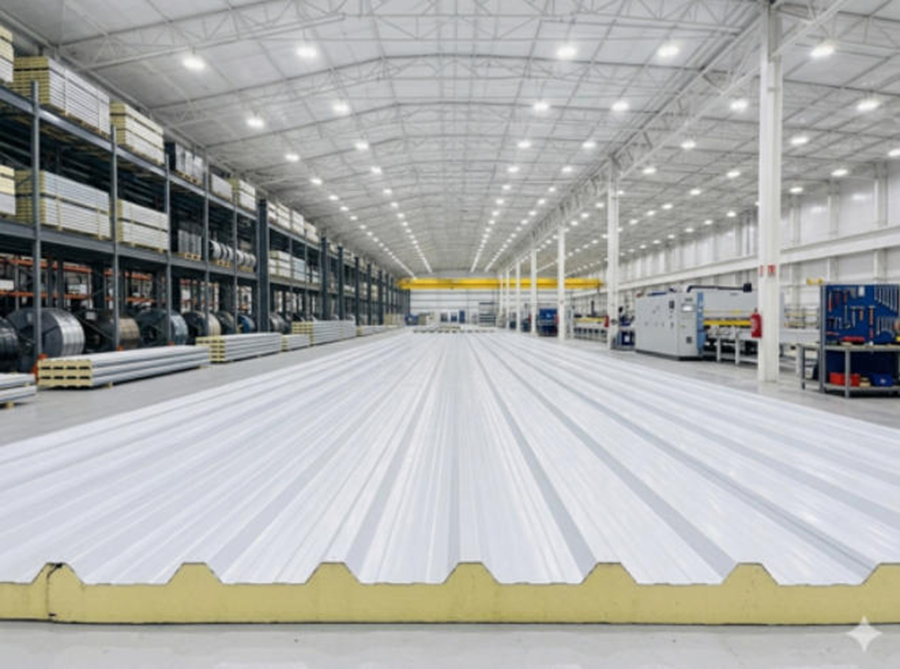
Преимущества полиуретановых кровельных панелей
|
НЕТ |
Преимущества полиуретановых кровельных панелей. |
|
1 |
Отличные теплоизоляционные характеристики, низкая теплопроводность. |
|
2 |
Легкие и высокопрочные, простота монтажа, высокая эффективность строительства. |
|
3 |
Цельное формование, хорошая герметичность, простота гидроизоляционных работ. |
|
4 |
Стандартные размеры, совмещающие ограждающие и теплоизоляционные функции. |
|
5 |
Подходят для различных промышленных, сельскохозяйственных и складских зданий с уклоном кровли 3%. |
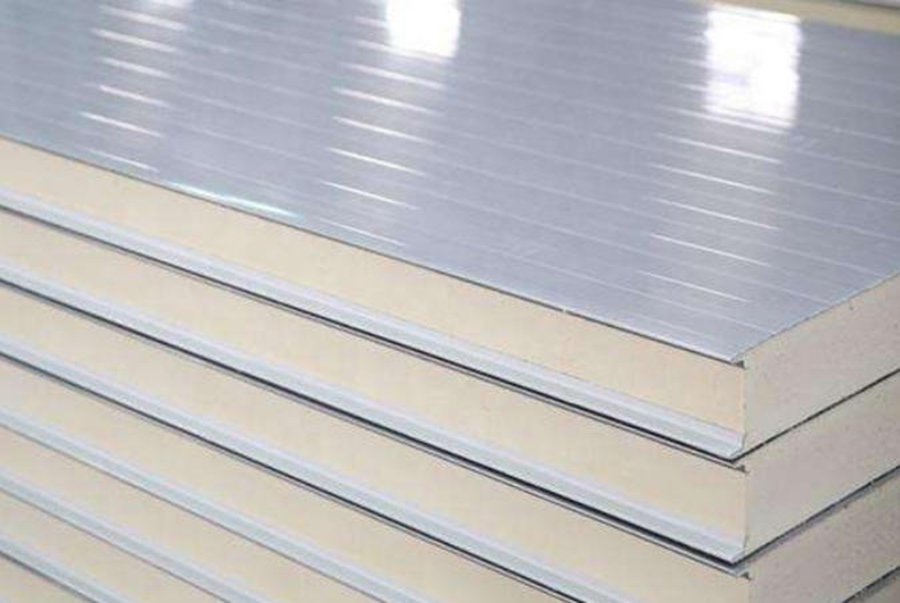
Преимущества полиуретановых стеновых панелей
|
НЕТ |
Преимущества полиуретановых стеновых панелей |
|
1 |
Хорошая теплоизоляция, теплоизоляционные и звукоизоляционные свойства. |
|
2 |
Полиуретан является негорючим, соответствует требованиям пожарной безопасности. |
|
3 |
Легкий, сборный монтаж, эффективное строительство. |
|
4 |
Благодаря совместному действию верхней и нижней облицовок и полиуретана,обладает высокой прочностью и жесткостью. |
|
5 |
Нижняя облицовка гладкая и ровная с четкими линиями, очень эстетична. |
Полиуретановые панели для холодильных складов классифицируются следующим образом в зависимости от применения
|
Свежего хранения склад |
Температура поддерживается на уровне 0℃, оптимальная толщина панели 10 см |
Холодильные склады для хранения свежих продуктов максимально сохраняют исходное качество и свежесть сельскохозяйственной продукции. Даже после определенного периода хранения свежие продукты сохраняют свою свежесть и качество, оставаясь практически такими же, как в момент сбора. |
|
Холодильный склад |
Температура поддерживается на уровне -18℃, оптимальная толщина панели 15 см |
Холодильные склады в основном используются для хранения продуктов питания при постоянной температуре: молочных продуктов, мяса, морепродуктов, птицы, фруктов и овощей, замороженных напитков, цветов, растений, чая, фармацевтических препаратов, химического сырья и электронных приборов. |
|
Морозильный склад |
Температура поддерживается на уровне -38℃, оптимальная толщина панели 20 см |
Морозильные склады в основном используются для замораживания и хранения продуктов питания, фармацевтики и оборудования. Они поддерживают постоянную низкую температуру с помощью искусственного охлаждения. |
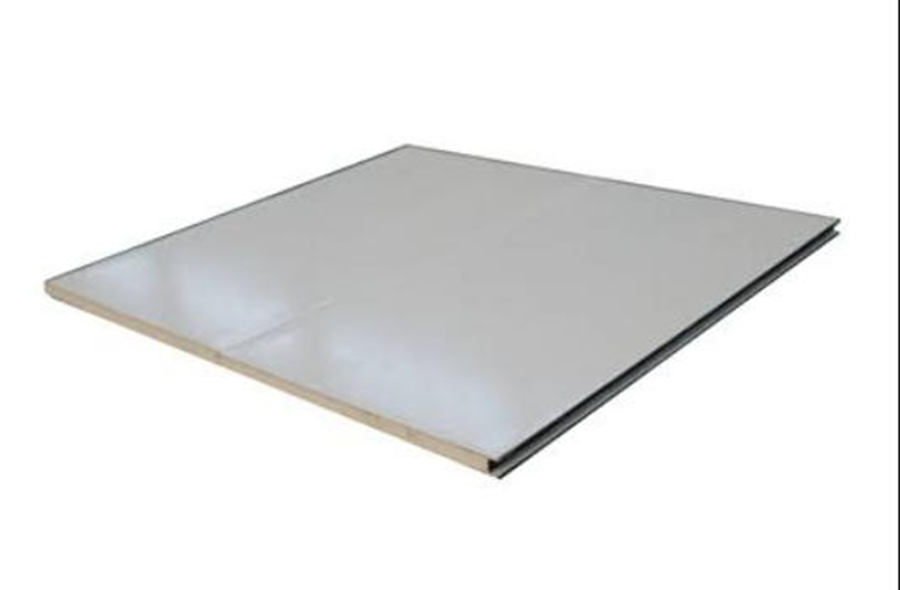
Преимущества полиуретановых панелей для холодильных складов
|
НЕТ |
Преимущества полиуретановых панелей для холодильных камер |
|
1 |
Чрезвычайно низкая теплопроводность, обеспечивающая отличную теплоизоляцию и сохранение холода в условиях низких температур; |
|
2 |
Хорошая герметичность, эффективно предотвращающая проникновение влаги; |
|
3 |
Сборная конструкция, удобный монтаж и быстрое строительство. |
Подводя итог, сэндвич-панели из полиуретана обеспечивают выдающиеся теплоизоляционные характеристики, структурную прочность и эффективность монтажа в различных областях строительства. Будь то промышленные кровли, коммерческие фасады или холодильные склады, правильный выбор типа панели обеспечивает оптимальную экономию энергии, соответствие нормативным требованиям и долгосрочную долговечность любого строительного проекта.
Для получения дополнительной информации или по любым вопросам, пожалуйста, не стесняйтесь обращаться к команде Yumisteel.
Годы опыта



 Интернет Сервис
 +86-592-6095031
 manager@yumisteel.com
 Alina_Yuki
 +8613559086380+8615860744964
 русский
 English
 español
 português
 日本語
日本語